Coordinate the city, not only the catalogue
The product direction prioritizes the coordination layer between retailer inventory, customer demand, quality control, transactions, and fulfilment.
Co-Founder & Technical Product Lead
A Pendulum HQ subsidiary and operating venture. Urban retail infrastructure for predictable distribution.
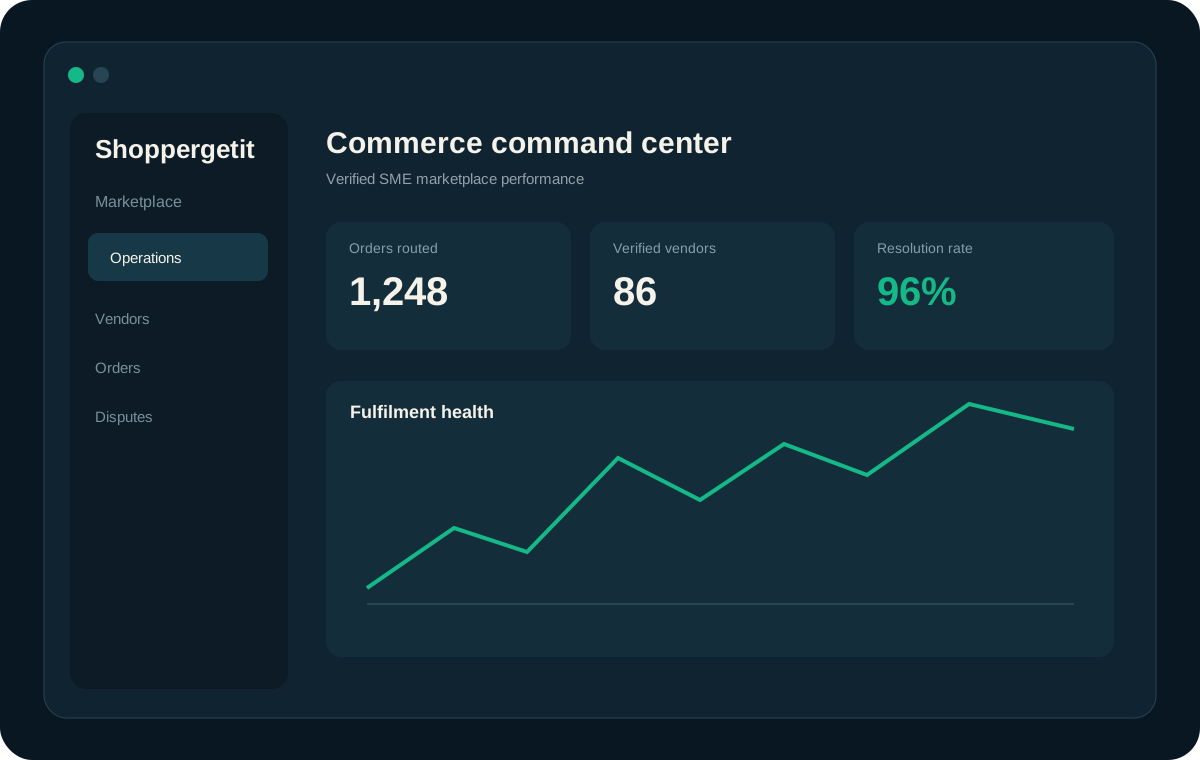
Urban retail infrastructure for predictable distribution. Shoppergetit connects local retailers, customer demand, and fulfilment through one intelligent commerce system.
Cities already have retailers, inventory, and demand. What is broken is how fragmented those pieces are.
Commerce growth can create increasing dependency on warehousing, owned inventory, operational labour, and fulfilment complexity.
Shoppergetit coordinates inventory already held by local retailers instead of building growth around increasingly expensive warehouses and owned inventory. Technology, AI, and automation coordinate retailer inventory, product digitisation, customer demand, quality control, transactions, customer engagement, fulfilment, and operational workflows.
More customers shouldn't require more warehouses and more people. Shoppergetit is designed so customer growth does not require warehouse and headcount growth to increase proportionally at the same rate.
Shoppergetit is a Pendulum HQ subsidiary and urban retail infrastructure venture for predictable distribution. It connects local retailers, customer demand, and fulfilment through one intelligent commerce system.
Cities already have retailers, inventory, and demand. The problem is fragmentation: product information, demand capture, transaction flow, quality control, fulfilment, and customer engagement often sit in disconnected places.
As Co-Founder and Technical Product Lead, I shaped the opportunity, product model, workflows, priorities, and release decisions within the Pendulum HQ ecosystem. I translated marketplace requirements into experience and system logic, supervised technical execution, and aligned product decisions with capital and launch realities.
The product direction prioritizes the coordination layer between retailer inventory, customer demand, quality control, transactions, and fulfilment.
Shopper simplicity required structured retailer and admin controls behind the scenes. Each audience received workflows aligned to the decisions they own.
AI assistance, product digitisation, operational tooling, and workflow design reduce the need for every growth step to become proportional warehouse or headcount growth.
Revenue logic and fulfilment realities informed prioritization rather than being postponed until after the interface was built.
Shoppergetit is a coordination system. Existing retailers hold inventory; customers create demand; the platform digitises products, controls quality, coordinates transactions, supports fulfilment, and gives operators the workflow visibility needed to keep the system predictable.
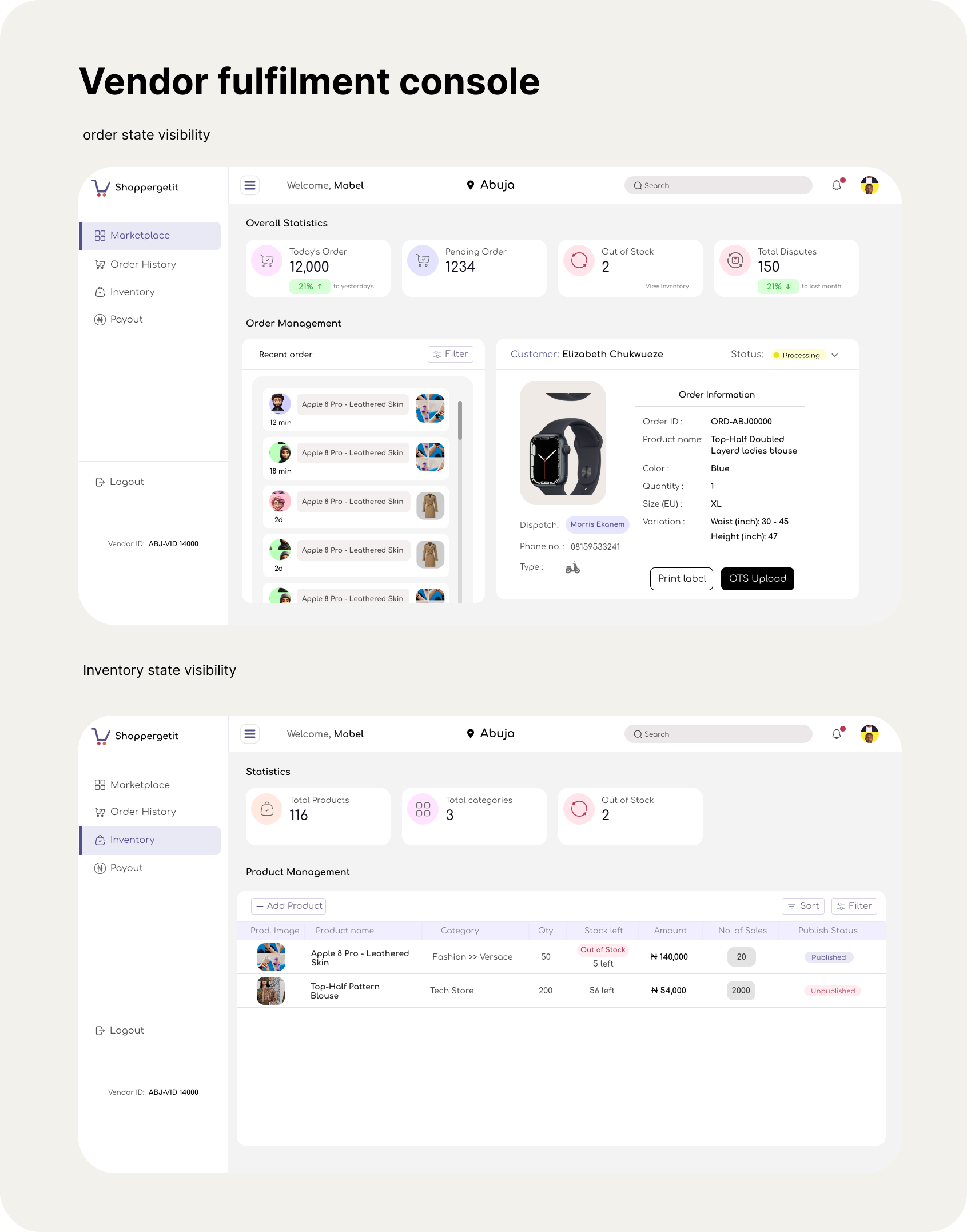
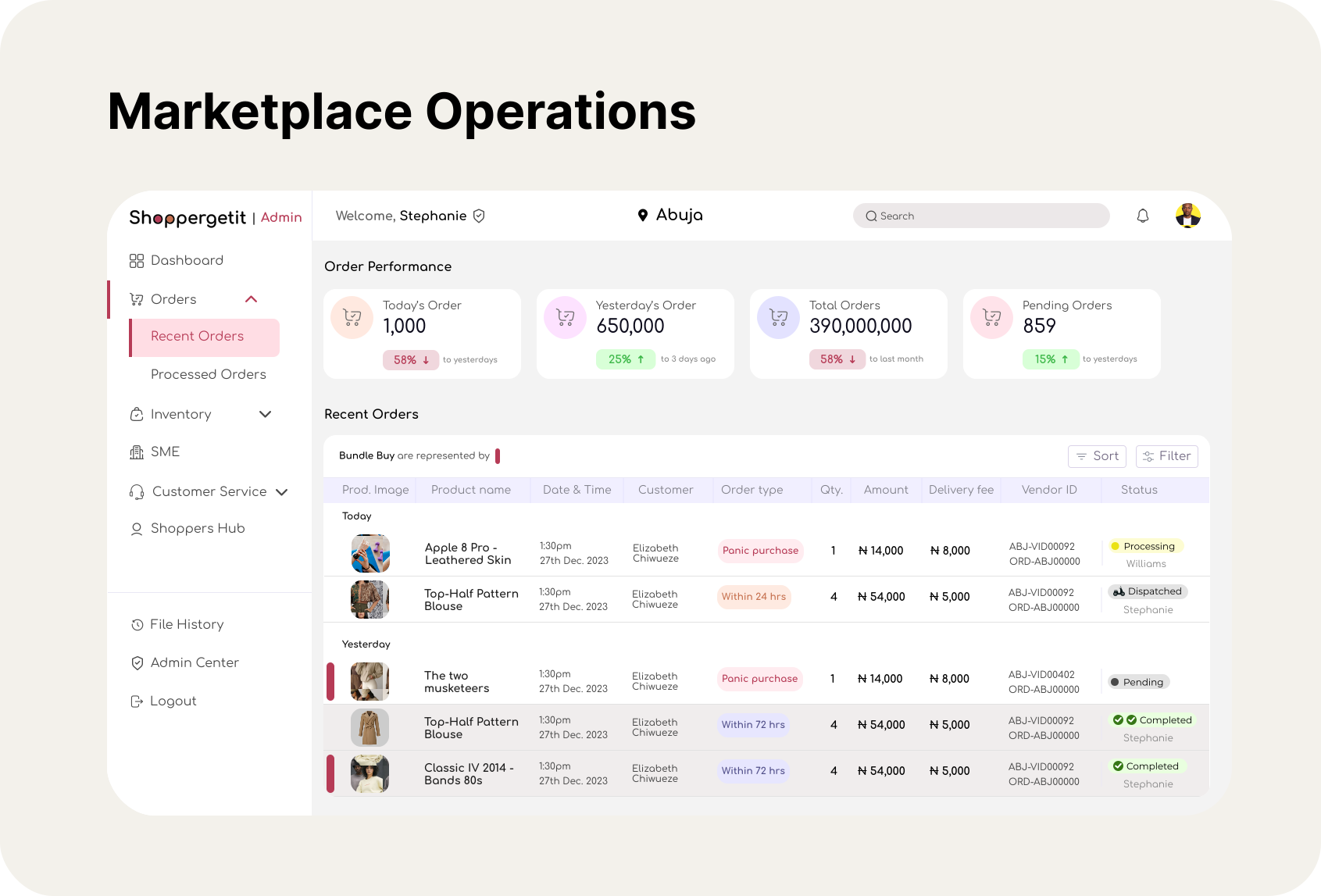
Selected product and workflow views from this work.

Build Together
I help early-stage teams frame the right system, direct the work, and get a credible product shipped.