Treat the LMS as a guided pathway
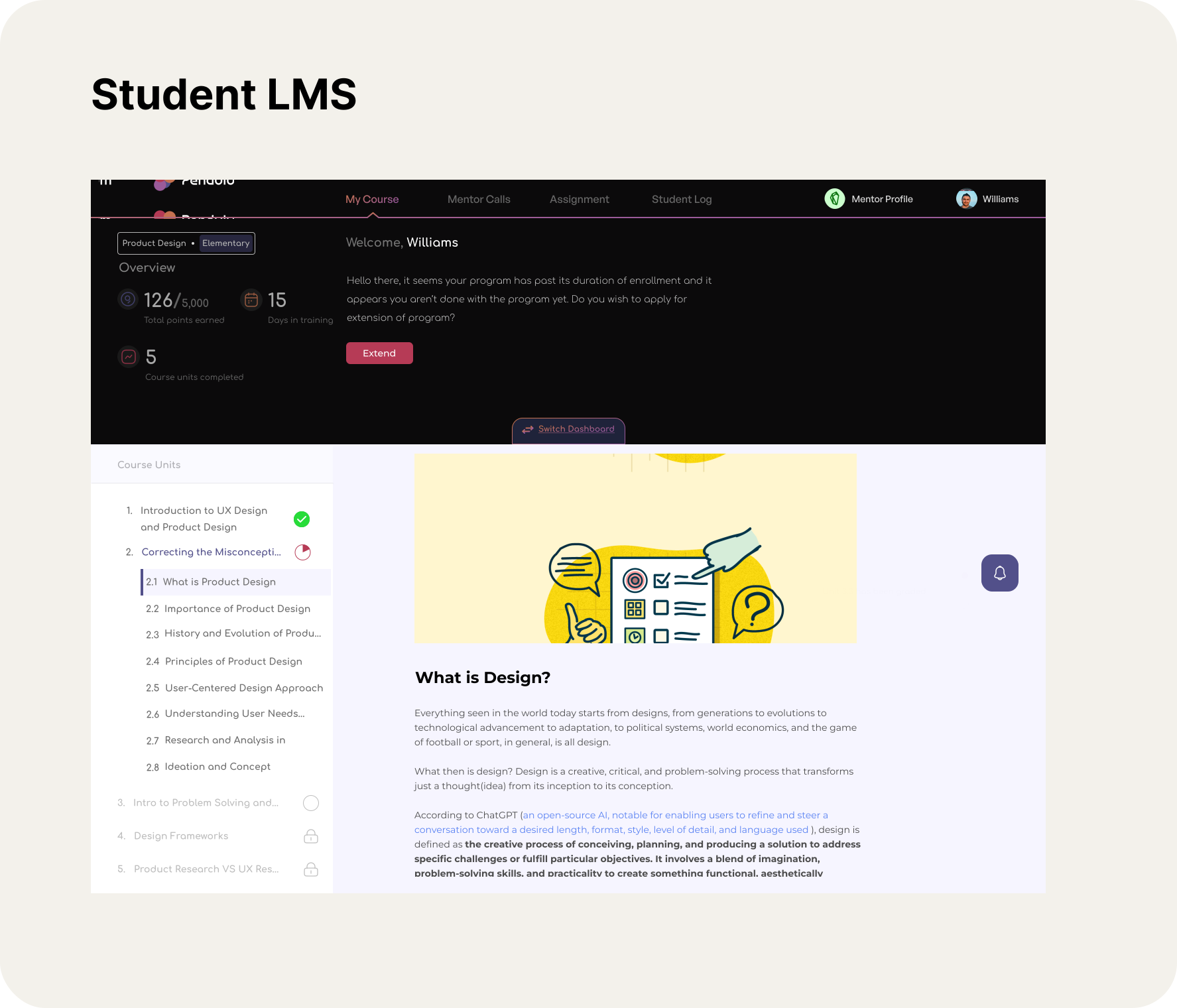
The learner experience is framed around active modules, milestones, assignments, feedback, and specialization rather than an unstructured content library, supporting PSI's focus on work-ready capability.
Chief Product Officer / Product Strategy Lead
A cohort-based learning ecosystem turning work-ready design education into structured coursework, specialization, mentorship, and career-facing support.
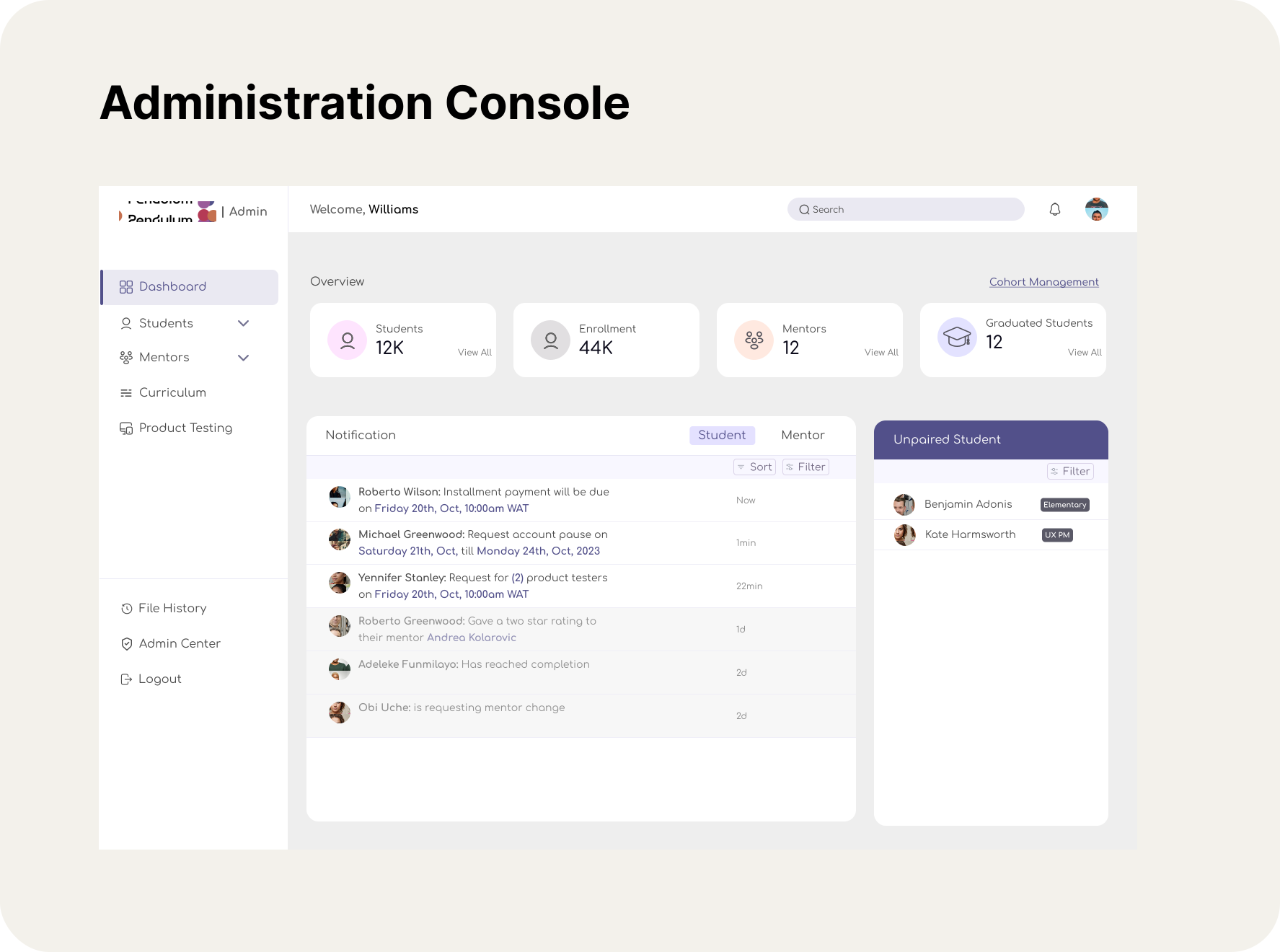
Pendulum School of Innovation positions design education around its Zirax 1.0 curriculum: a guided, cohort-based pathway built on critical thinking, planning, specialization, mentorship from field practitioners, technical advising, and job guidance. The product opportunity was to turn that educational promise into a coherent digital experience from application through learning delivery and mentor support.
PSI identifies three gaps in technology education: learners entering work without professional readiness, weak design-to-development alignment, and difficulty developing self-directed learning habits. A public enrollment site alone cannot solve those gaps; delivery needs a Learning Management System (LMS) and mentor workflow that make curriculum progress, feedback, intervention, and next steps visible.
As Chief Product Officer / Product Strategy Lead, I shaped the product direction across the public school experience, cohort onboarding, LMS learning journeys, mentor dashboard workflows, and the operational view needed to support learners through specialization and career readiness.
The learner experience is framed around active modules, milestones, assignments, feedback, and specialization rather than an unstructured content library, supporting PSI's focus on work-ready capability.
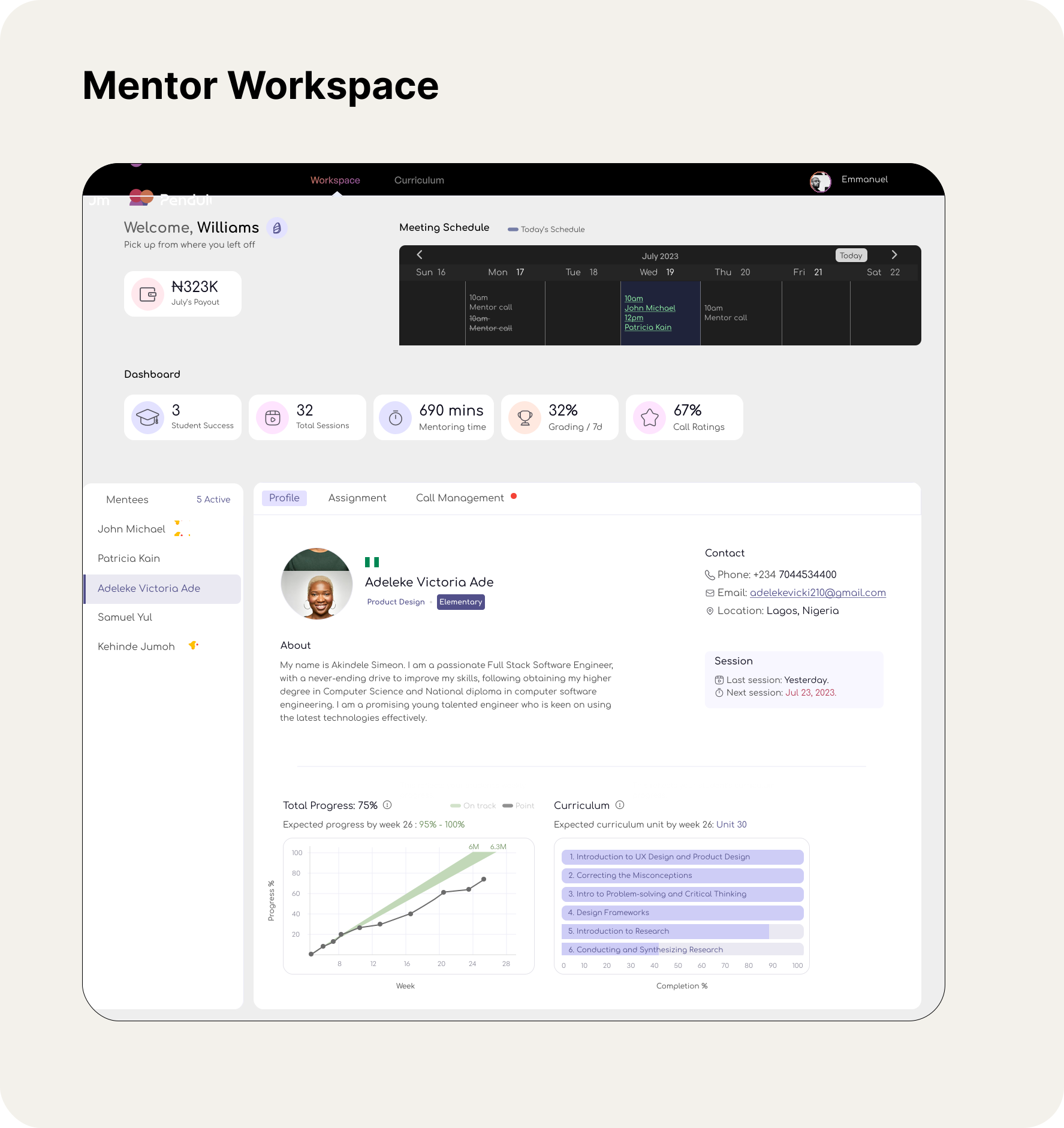
A dedicated mentor dashboard prioritizes pending reviews, learner risk signals, feedback cycles, and upcoming sessions so practitioner support can scale beyond ad hoc conversations.
Technical advising, portfolio evidence, and job guidance are treated as part of the journey, aligning delivery with PSI's stated goal of preparing learners for professional work.
An operations layer brings enrollment, payment state, participation, mentor allocation, and completion signals into one view for running successive cohorts reliably.
This is not simply a course catalogue. It is a learning delivery system: an application creates a cohort relationship; curriculum activity produces evidence; evidence triggers mentor feedback and technical guidance; those interventions influence readiness, specialization, and progression. The LMS, mentor dashboard, and operations view form the feedback loop that lets the educational model remain personal while becoming repeatable.
Selected product and workflow views from this work.
Build Together
I help early-stage teams frame the right system, direct the work, and get a credible product shipped.